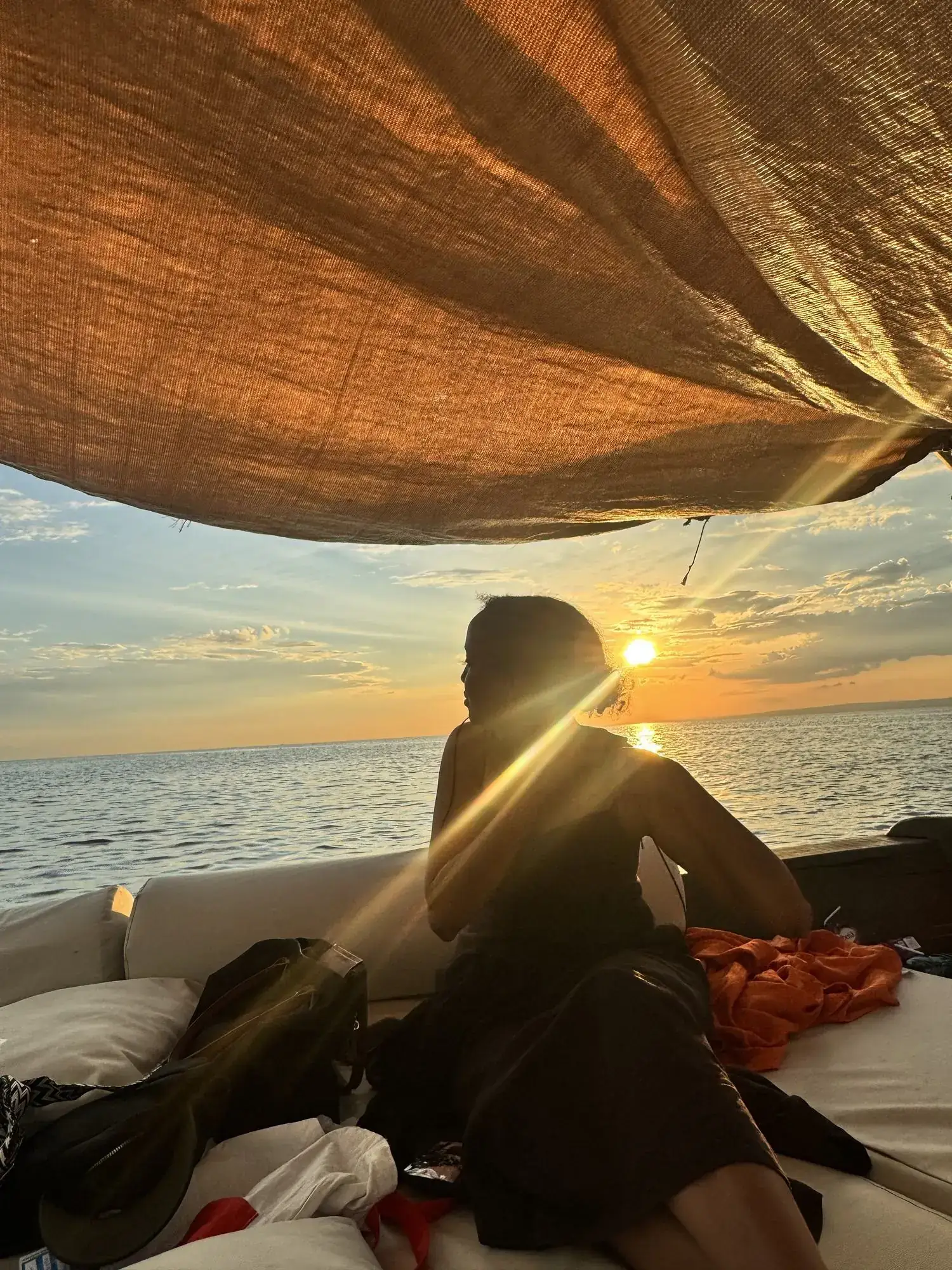

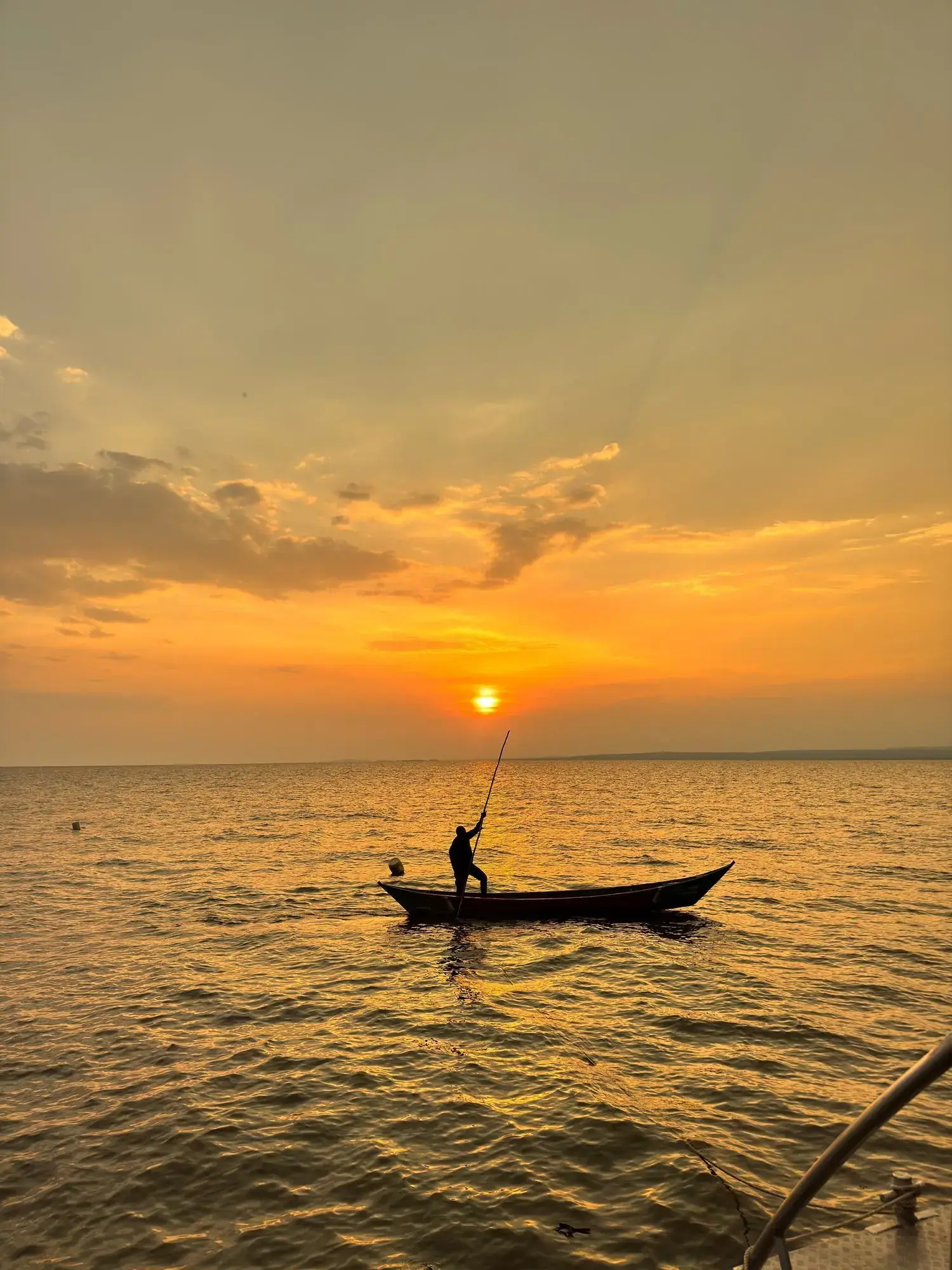
The endless water.
Lake Victoria has been known by many names. To the Baganda it is Nnalubaale, home of the spirits. To the Luo people of this shore it is Nam Lolwe, the endless water, a name that captures how the lake meets the horizon as though it had no far side at all. Its English name came in 1858, from the explorer John Hanning Speke, though the lake had already sustained communities along its shores for centuries.
Geologically it is young. The lake formed roughly 400,000 years ago, not through volcanic activity but through the gentle uplift of land on either side of the East African Rift, which dammed a shallow basin and let rivers and rainfall fill it in. Today it is Africa's largest lake by surface area, the source of the Nile's westernmost headwaters, and shared between Kenya, Uganda and Tanzania.
Long before it carried that name, the Luo who settled these shores built their lives around it. Fishing, using traps woven from papyrus and lakeside grasses, was never simply a livelihood. It was governed by ritual. Before a canoe set out an offering was made to the spirit of the lake, and the first fish caught was set aside in thanks. Tilapia, known locally as ngege, remains the fish most associated with these waters, alongside catfish and the small silver omena that still dry on racks along the beach each morning.
How Kisumu began.
Kisumu owes its modern shape to a railway. In December 1901 the line linking Kenya and Uganda reached the lake's edge here, and the settlement that grew around the terminus was briefly named Port Florence, after the wife of the railway's chief engineer, before reverting to its Luo name within a year. Kisumu, in Dholuo, means roughly a place to look for food, a fitting name for a city that grew from trade in fish, grain and goods carried in from the coast.
The port that railway created made Kisumu the lake's principal harbour, and steamers once carried passengers and cargo between Kenya, Uganda and Tanzania across these same waters. That maritime history still lingers in the working boats of Dunga Beach today, where the fishing fleet setting out at dusk and returning with the morning catch continues much as it has for generations.
A field companion
Wildlife of the lake.
More than four hundred bird species have been recorded across the basin. These are the ones you are most likely to meet on the water.
Hippopotamus
Hippopotamus amphibius
The lake's most emblematic resident, and our namesake. Hippos spend the heat of the day submerged in pods near the reeds, surfacing to breathe every few minutes, and graze on land after dark. Early morning is the best time to see them active near the shoreline.
African Fish Eagle
Haliaeetus vocifer
Often called the voice of Africa for its ringing call, this eagle watches the water from shoreline trees before stooping to take fish directly from the surface.
Great White Pelican
Pelecanus onocrotalus
Seen fishing cooperatively in loose rafts, driving shoals of small fish into the shallows before scooping them up. Their broad wings make one of the more graceful sights in flight.
Grey Heron and Egrets
Ardea cinerea and Egretta spp.
Statuesque hunters of the shallows, standing motionless for minutes before striking with a single fast movement of the neck. Look for them along the papyrus fringes.
Malachite Kingfisher
Corythornis cristatus
A flash of cobalt and orange along the reeds. Small enough to miss easily, but unmistakable once spotted.
Long-tailed Cormorant
Microcarbo africanus
Frequently perched upright on rocks and reed beds with wings held open to dry. They dive from the surface and hunt underwater, propelled by their feet rather than their wings.
Papyrus Gonolek
Laniarius mufumbiri
A true prize for a keen birder. This crimson and black bird rarely leaves the dense papyrus it calls home, and its rich whistling duet often gives it away before it is ever seen.
Nile Crocodile
Crocodylus niloticus
Present in the wider gulf, though rarely seen on this stretch of shore. Where they do appear they favour quiet, undisturbed banks well away from the working shoreline.
Sightings vary with the season and the hippos' own movements, but our guides know these waters well and will do everything they can to bring you close, safely and quietly.
On the water
See it for yourself.
Four hours on Nam Lolwe aboard MV Jabura, timed to the early morning stillness.