

At a glance
The lake in numbers
- Rank
- Africa's largest lake, and the world's second largest freshwater lake by area
- Area
- About 59,900 square kilometres
- Depth
- 40 metres on average, 81 metres at the deepest
- Shared by
- Tanzania 49%, Uganda 45%, Kenya 6%
- The Nile
- The lake is the principal source of the Nile, which leaves it at Jinja, Uganda
- People
- About 45 million live in the lake's catchment
A lake of many names
Names and beginnings
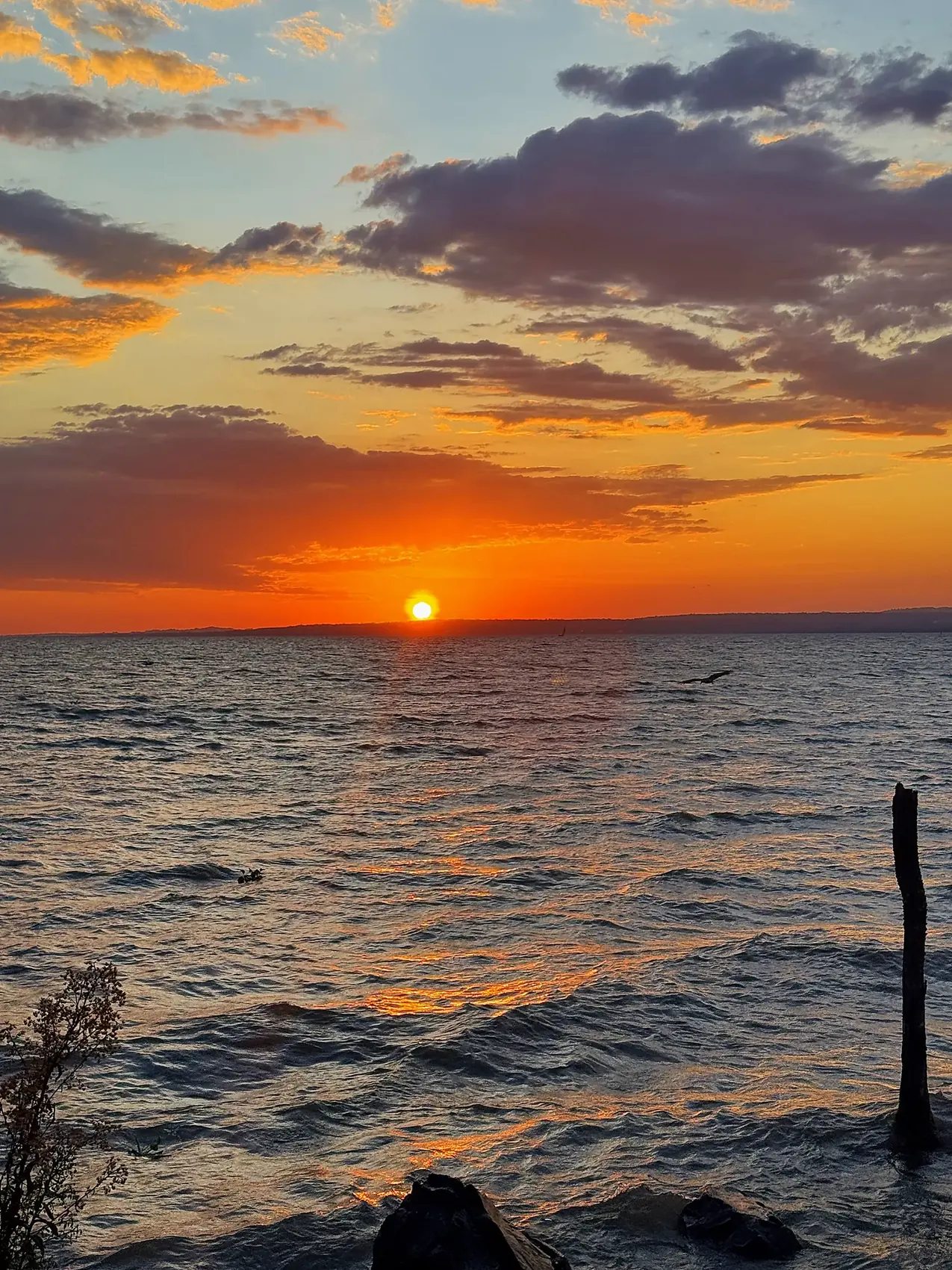
To the Baganda it is Nnalubaale, home of the spirits. To the Luo people of this shore it is Nam Lolwe, the endless water, because the lake meets the horizon as if it had no far side. The English name came in 1858, when the explorer John Hanning Speke named it after Queen Victoria.
The lake is young. It formed roughly 400,000 years ago when land on either side of the East African Rift was gently uplifted, damming a shallow basin that rivers and rain then filled.
Life on the shore
Fishing and food
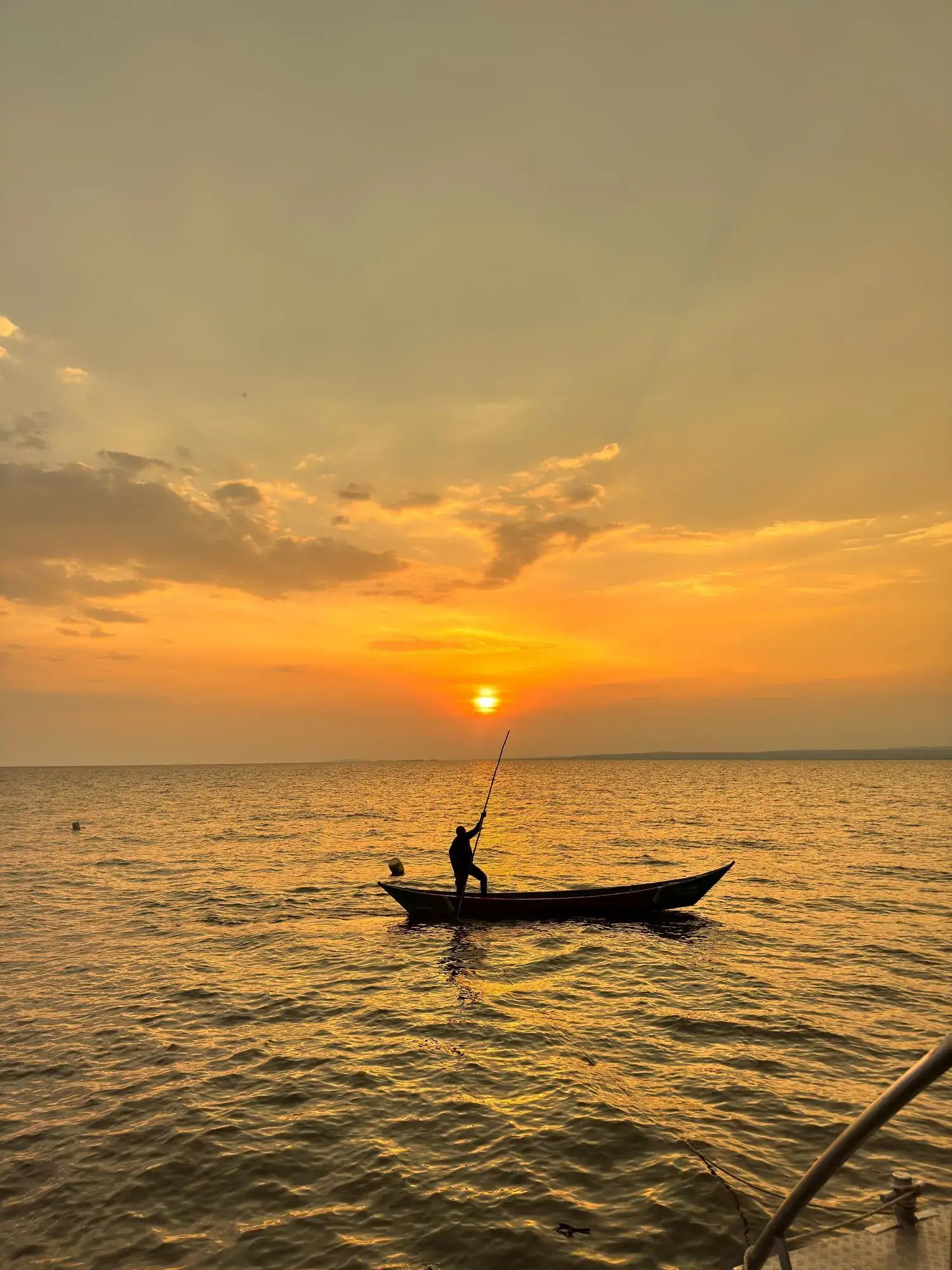
The Luo who settled these shores built their lives around the lake. Fishing, with traps woven from papyrus and lakeside grasses, was governed by ritual. Before a canoe set out an offering was made to the spirit of the lake, and the first fish caught was set aside in thanks.
Tilapia is the fish most people associate with the lake, alongside catfish, the introduced Nile perch and the small silver omena that dry on racks along the shore each morning. Tilapia is also what our kitchen cooks best, wet fried, dry fried or grilled.
A field guide
Wildlife of the lake
More than 400 bird species have been recorded around the lake. These are the ones you are most likely to see from our boats.

Hippopotamus
Hippopotamus amphibius
The lake's most emblematic resident, and our namesake. Pods rest in the water near the reeds through the heat of the day and graze on land after dark. Early morning is the best time to see them.

African fish eagle
Haliaeetus vocifer
Called the voice of Africa for its ringing call. It watches from shoreline trees, then stoops to take fish straight from the surface.

Great white pelican
Pelecanus onocrotalus
Fishes in loose rafts, driving small fish into the shallows before scooping them up. Graceful in flight.

Grey heron and egrets
Ardea cinerea and Egretta species
Tall hunters of the shallows, standing motionless for minutes before a single fast strike. Look along the papyrus edges.
Malachite kingfisher
Corythornis cristatus
A flash of cobalt and orange in the reeds. Small and easy to miss, unmistakable once spotted.

Long tailed cormorant
Microcarbo africanus
Often perched on rocks with its wings held open to dry. It dives from the surface and hunts underwater.
On the water
Visit the lake by boat
Morning trips are best for hippos and birds. Sightings change with the season.
See the boats and rates